

In a significant move for the children’s tech industry, Miko, the AI-powered toy maker, introduces an option to disable artificial intelligence features following mounting political pressure. The decision comes after weeks of public scrutiny, safety concerns, and bipartisan criticism over how the company’s AI-driven toys handle user interactions.
A Rare Pause in the AI Rush
As companies across industries race to embed artificial intelligence into everyday products, Miko’s decision stands out. Instead of expanding AI functionality, the company is giving families the option to turn it off entirely.
The newly announced feature allows parents and caregivers to toggle conversational AI on or off in its flagship robots, Miko 3 and Miko Mini. In a public statement released Monday, the company emphasized that the change is designed to give parents greater control over how their children engage with AI-powered technology.
According to Miko, the ON/OFF toggle directly affects the conversational AI functions that enable the toys to chat with children.
How Miko Toys Work
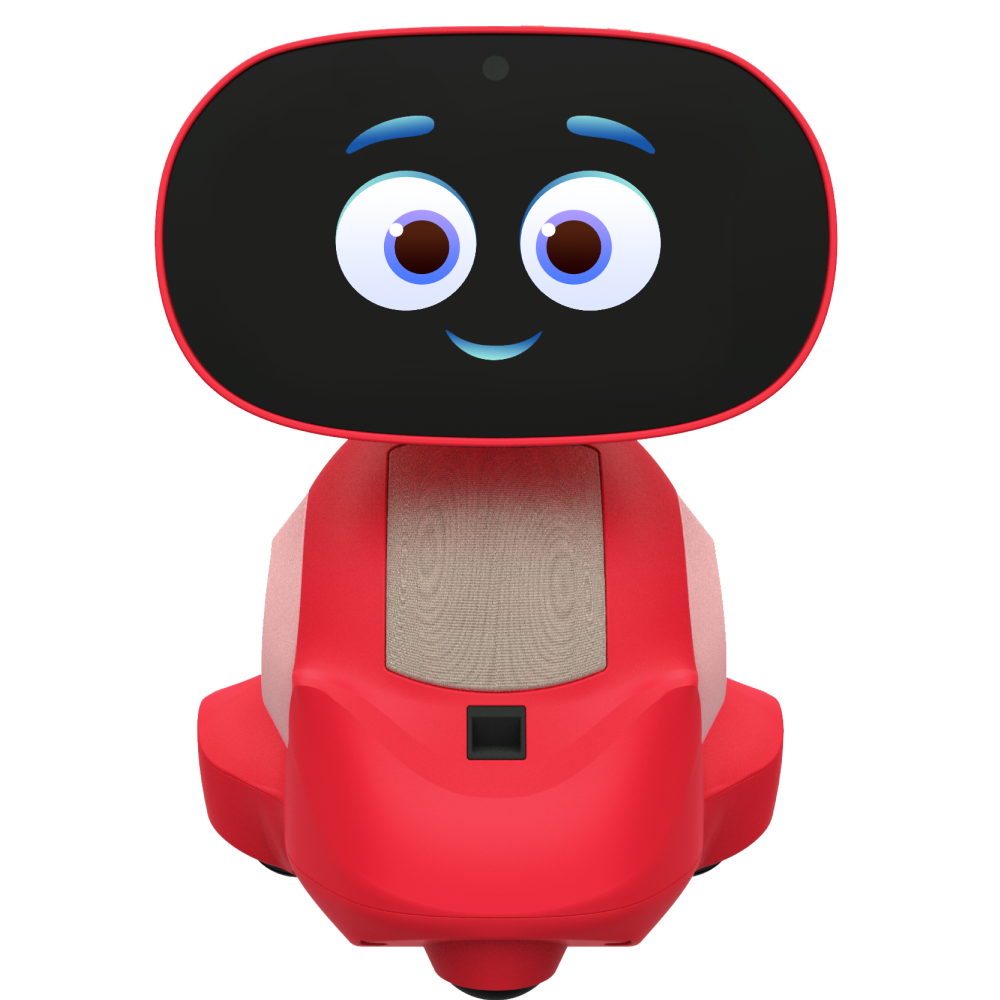


Miko’s products are small, mobile robots with animated touchscreen faces. They can play music, tell stories, host games, and engage in back-and-forth conversations using large language models (LLMs)—the same type of technology that powers advanced AI chatbots.
The company previously partnered with Google, integrating Google Cloud services and Gemini AI models into its ecosystem, according to a 2024 company blog post.
These capabilities allow the robot to respond dynamically to children’s questions, address them by name, and carry on extended conversations—features that have drawn both praise and concern.
Political Scrutiny and Data Exposure Concerns
The announcement follows mounting political pressure and heightened attention from lawmakers and watchdog groups.
Last week, U.S. Senators Marsha Blackburn and Richard Blumenthal revealed that they had identified a publicly accessible website containing thousands of AI-generated responses linked to children’s interactions with Miko devices. According to their findings, the website appeared to lack password protection or other security safeguards, making the data downloadable by anyone with an internet connection.
Journalists from NBC News reviewed some of the recordings, reporting that certain audio clips featured extended conversations in which the AI addressed children by name and asked personal questions, such as how they were feeling or what music they were listening to. The website was later taken offline.
Miko CEO Sneh Vaswani stated via email that the company did not leak user data and does not store children’s voice recordings. However, he did not directly address the origin of the recordings that had surfaced online.
Lawmakers Remain Skeptical
Senator Blackburn criticized the introduction of the AI toggle, describing it as a last-minute effort to repair reputational damage following what she characterized as a cybersecurity lapse involving children’s sensitive data.
In response, Ritvik Sharma, Miko’s Senior Vice President of Growth, said the AI on/off feature had been under development for some time and was not directly tied to the recent controversy. He also maintained that the publicly posted audio responses were unrelated to the company’s decision to roll out the new parental controls.
A Largely Unregulated Industry
AI-powered toys and the chatbots that support them remain largely unregulated in the United States. As artificial intelligence becomes more accessible and affordable, its integration into children’s products has accelerated rapidly.
Most AI toymakers claim to implement safeguards to prevent inappropriate or harmful responses. However, experts note that all large language models are vulnerable to “jailbreak” prompts—cleverly phrased inputs that can override built-in restrictions and produce unintended content.
A December investigation by NBC News found that some widely marketed AI toys could, under certain conditions, generate responses involving explicit subject matter or politically biased narratives that many parents would find troubling.
The Global AI Toy Boom
The AI toy market is expanding quickly, particularly in China. MIT Technology Review reported last year that more than 1,500 AI toy companies have registered in the country alone, signaling intense growth and competition in the sector.
As the market booms, companies face increasing pressure to balance innovation with privacy, safety, and transparency—especially when children are involved.
What This Means for Parents
Miko’s new AI toggle represents an unusual moment in the tech world: a company not just adding features, but giving users the ability to remove them.
Whether the move restores trust remains to be seen. For now, it signals that consumer concerns—and political oversight—are beginning to shape how artificial intelligence is deployed in children’s products.
For parents navigating the rapidly evolving AI landscape, the decision may offer reassurance. But it also underscores a broader question: as AI becomes more embedded in everyday life, who ultimately controls how—and when—it interacts with our children?